Abaco, LLC
The photographer the firm is named after
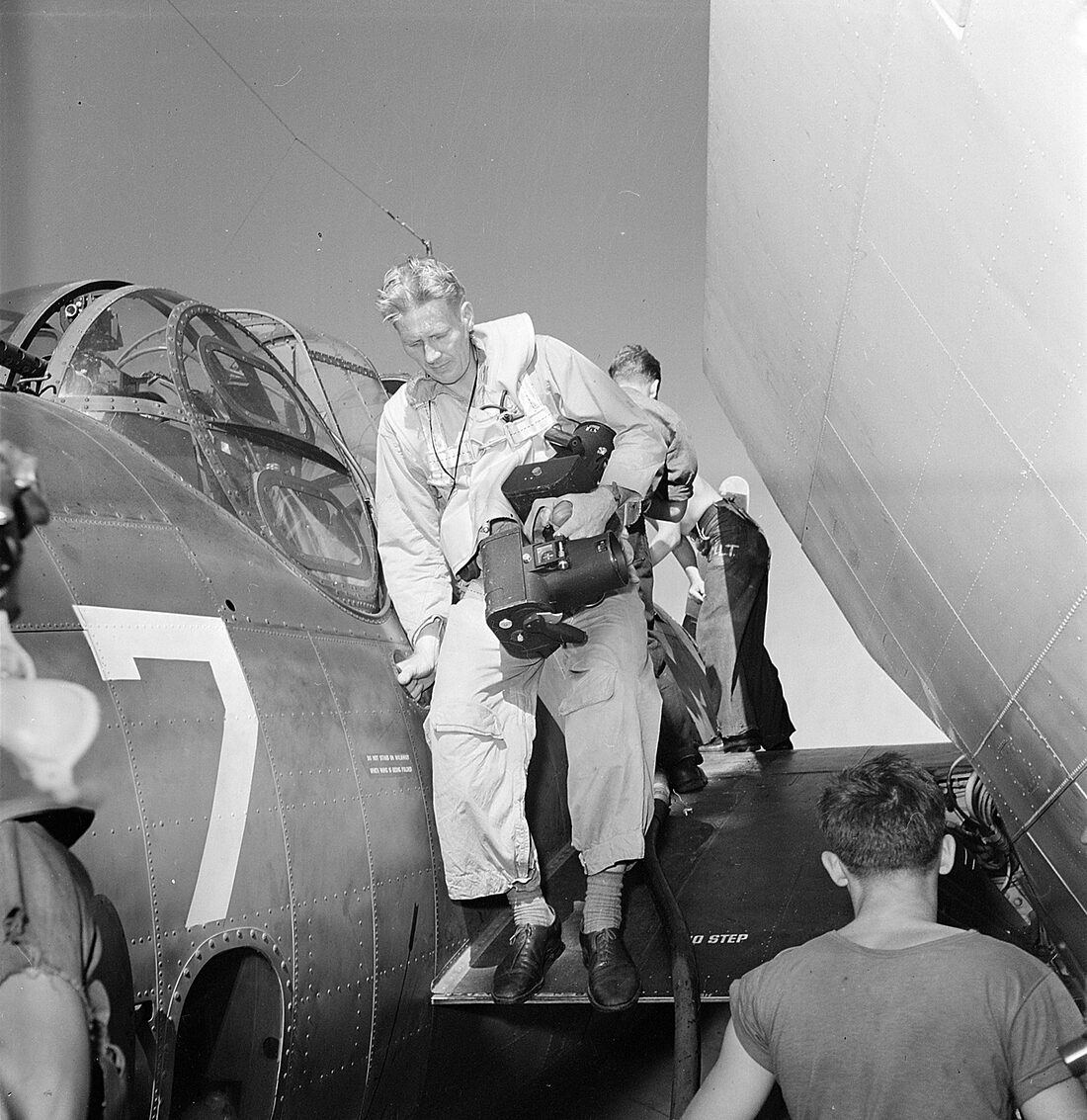
An advertising photographer who went to war with Steichen, came home, and bought a fishing shack on Elbow Cay. My uncle, Charles Kerlee.
People ask about the name, usually at the end of a first meeting, when the business is done and there is a minute for something else. It is not an acronym. Abaco is a chain of islands in the northern Bahamas, and for about thirteen years there was an inn on one of them that belonged to my uncle.
His name was Charles Kerlee. Before the inn — and before the war that sits in the middle of his life — he made photographs for a living. The kind that had to sell something.
What is a photograph for?
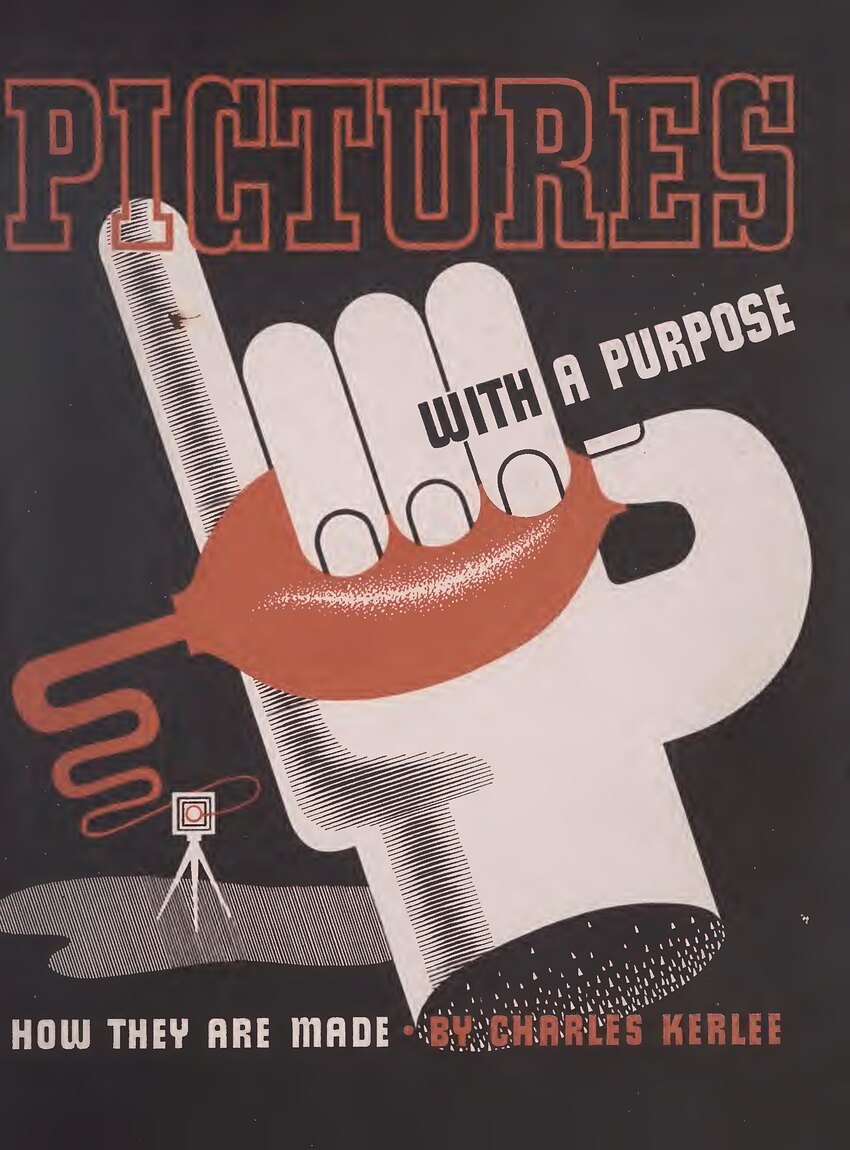
In 1939 he wrote a book about exactly that. Pictures with a Purpose: How They Are Made came out of Camera Craft in San Francisco — eighty pages, and it opens with the plainest sentence in it:
The photographs in this book were made to fill definite orders. Their purpose was to attract the readers’ attention, tell a story and display merchandise.
He was running a studio in Los Angeles then, with a long client list, and the book is not a portfolio. It is a service manual. Every photograph gets the facing page: a lighting diagram with the camera distances marked in feet, and two columns explaining what the picture had been hired to do and how each decision served that. The introduction hands over the film stock, the lenses, and the developer formula down to the grams of pyro. He is not protecting anything.
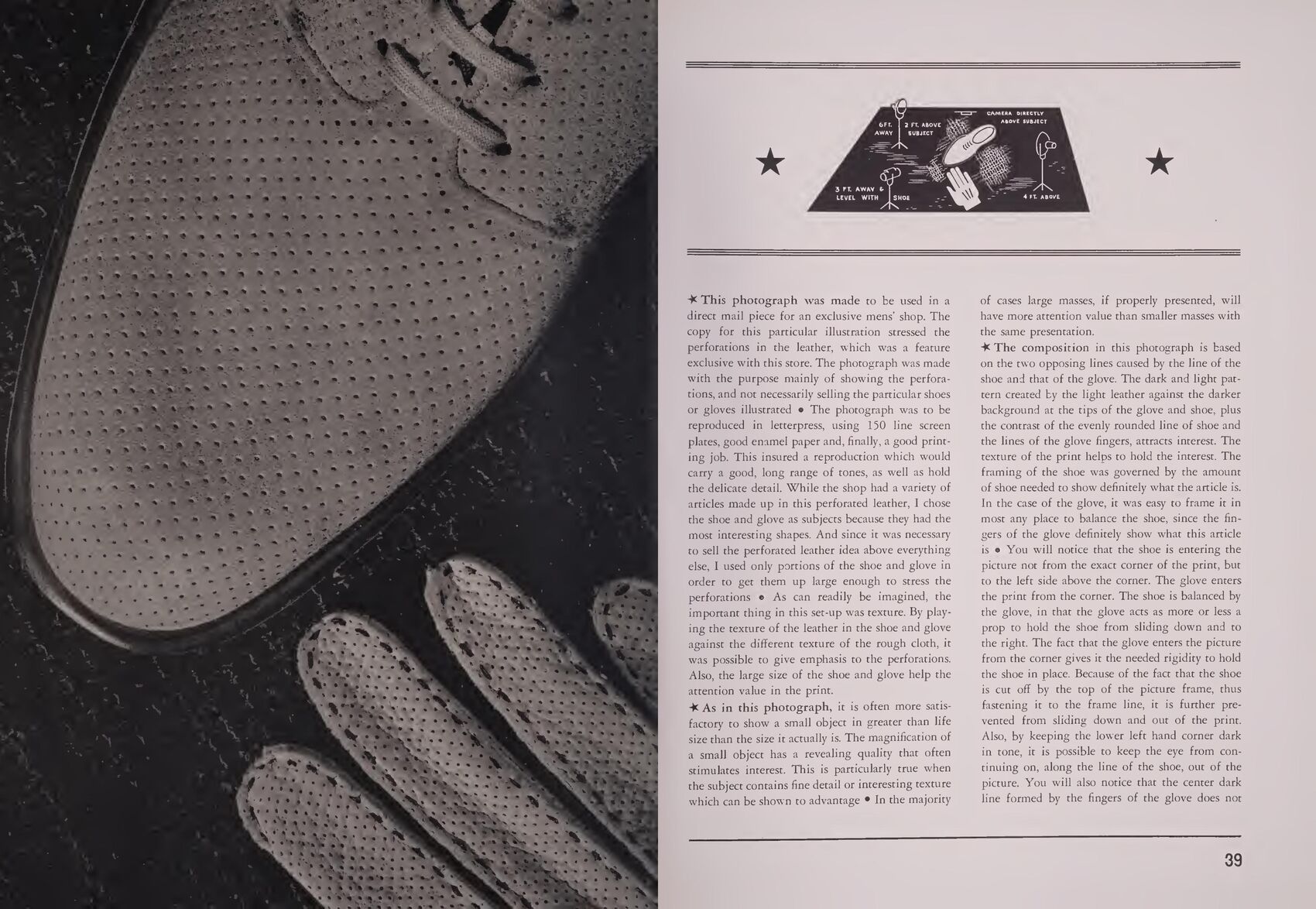
That one is a shoe and a glove for a men’s shop. The copy stressed the perforations in the leather, so, in his words: “the photograph was made with the purpose mainly of showing the perforations, and not necessarily selling the particular shoes or gloves illustrated… the important thing in this set-up was texture.” Then a paragraph on why a small object shown larger than life “has a revealing quality that often stimulates interest,” and another on how the glove is what keeps the shoe from sliding out of the frame.
It is an unromantic book. I have come to think it is a book about craft in the only sense that counts — knowing what a thing is for before you make it.
How does an advertising man end up over Wake Island?
In early 1942 Edward Steichen — already sixty-two, already the most famous photographer in America — began assembling a photographic unit for the Navy’s Bureau of Aeronautics. Kerlee was thirty-four, and among the first men Steichen went after. The six who formed the unit came in as officers, and the job on paper was to make pictures that would help recruit pilots.
That was not the job. What Steichen told Wayne Miller, another of the six, is the whole brief:
don’t photograph the war; photograph the man, the little guy; the struggle, the heartaches
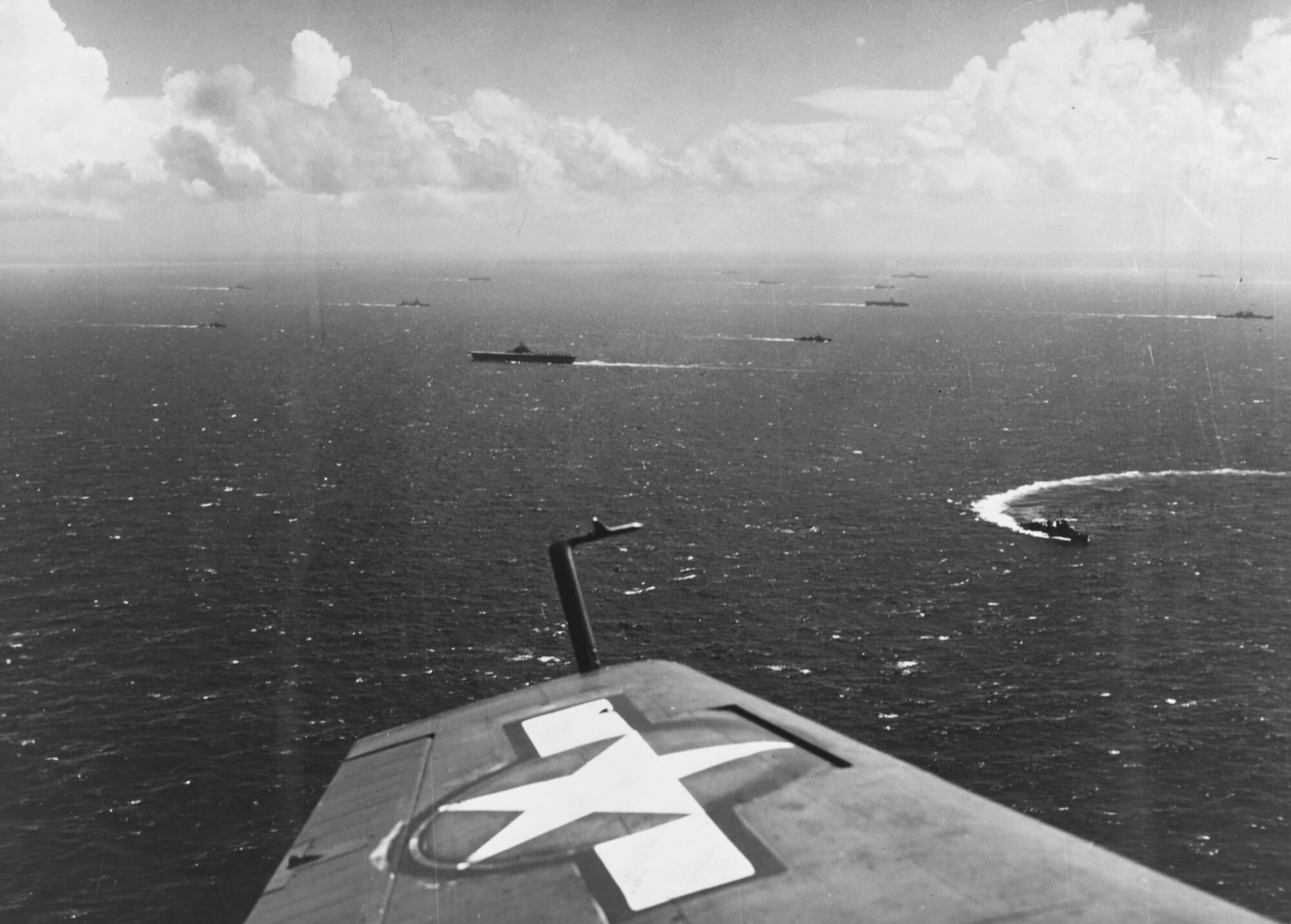
He spent most of the war on USS Yorktown (CV-10): through the Panama Canal in July 1943, then Marcus Island, then Wake, then later USS Hornet (CV-12) off the coast of Japan. He finished it a lieutenant commander.
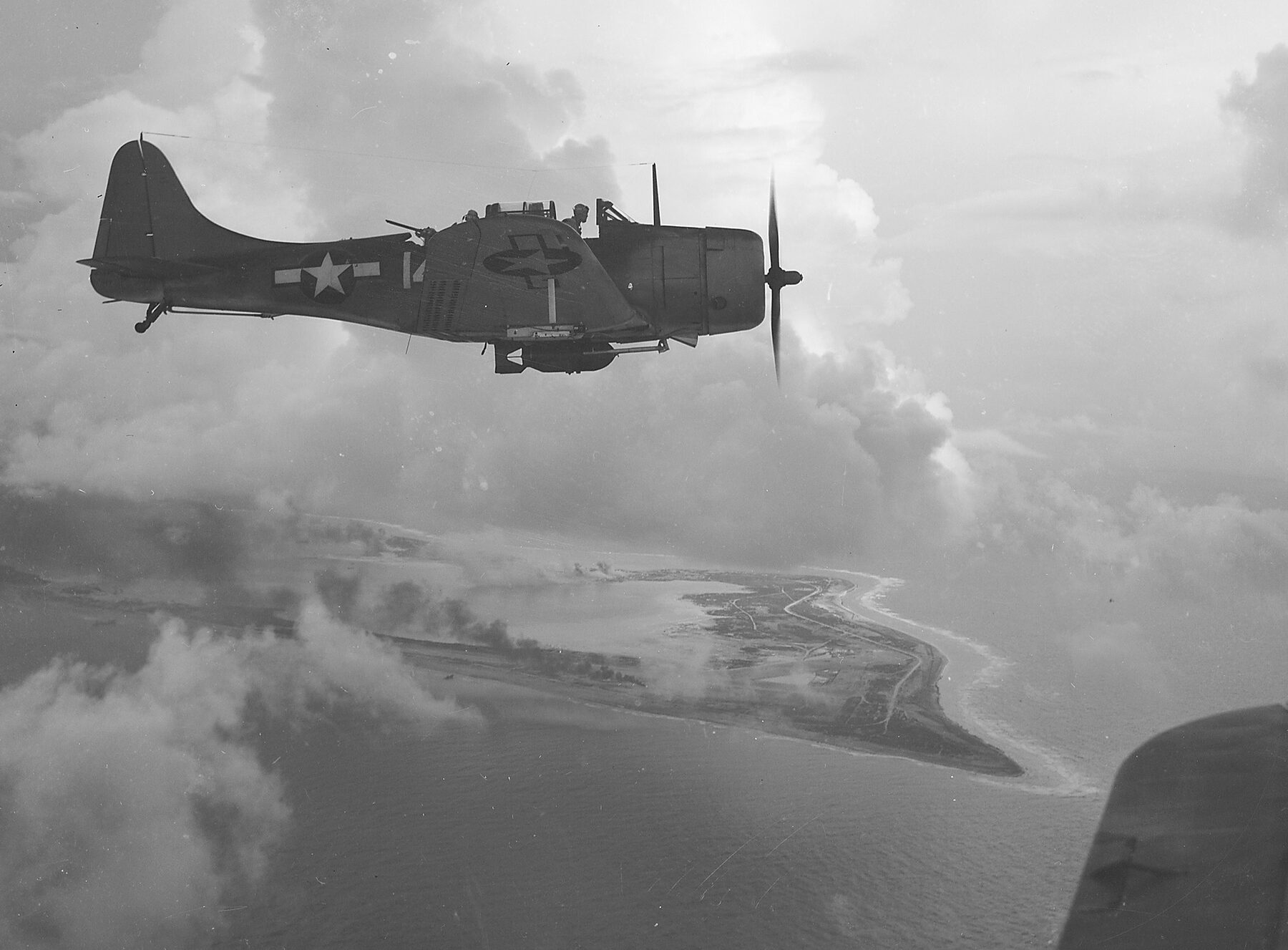
The famous one is the dive bomber above the island. The ones I keep coming back to are quieter, and are Steichen’s brief carried out to the letter. Ordnancemen fusing bombs on the hangar deck while, forty feet away in the same frame, a few hundred sailors sit watching a movie. A squadron commander in his cockpit, minutes from launching, looking straight down the lens — and looking, more than anything, tired.
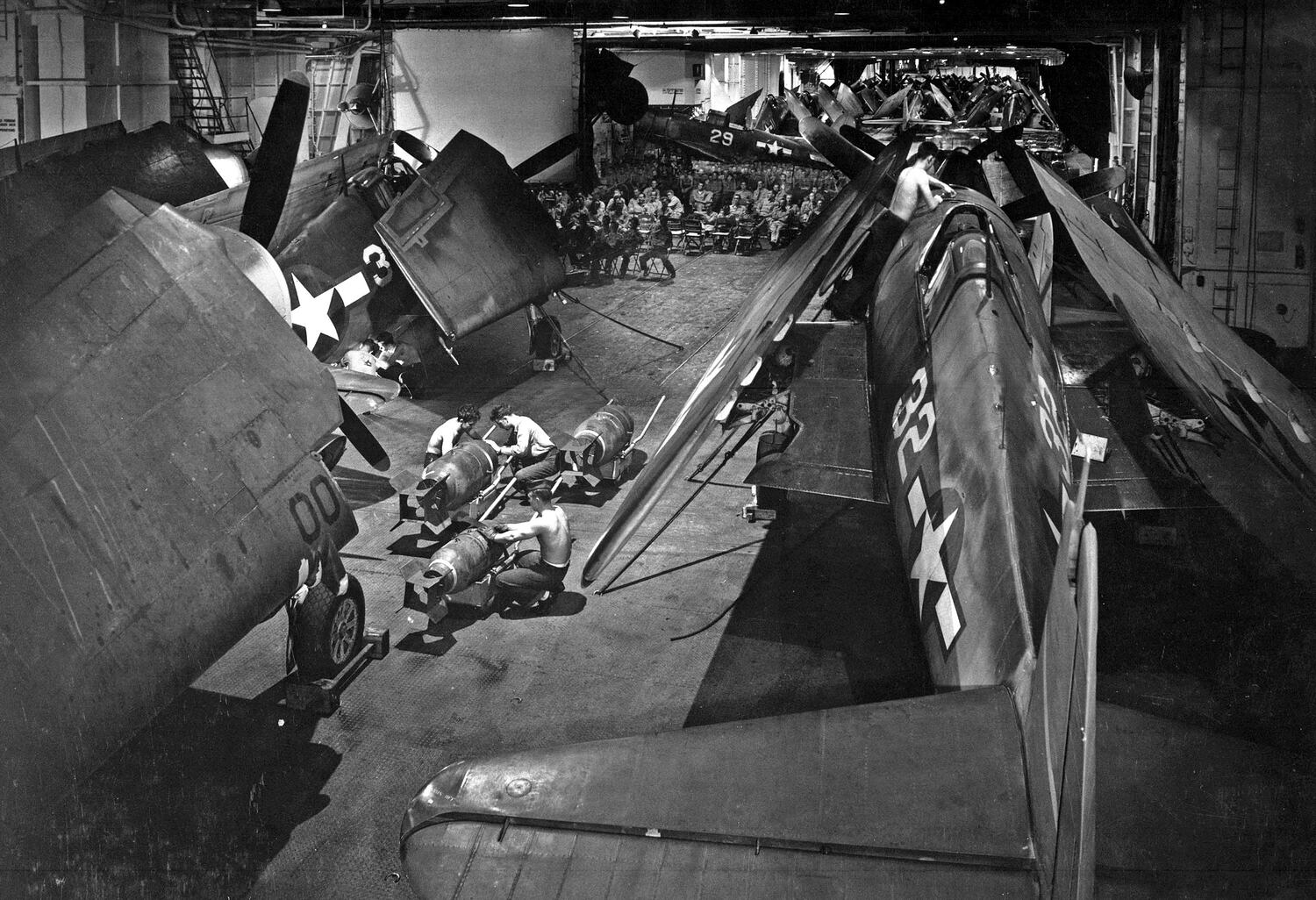
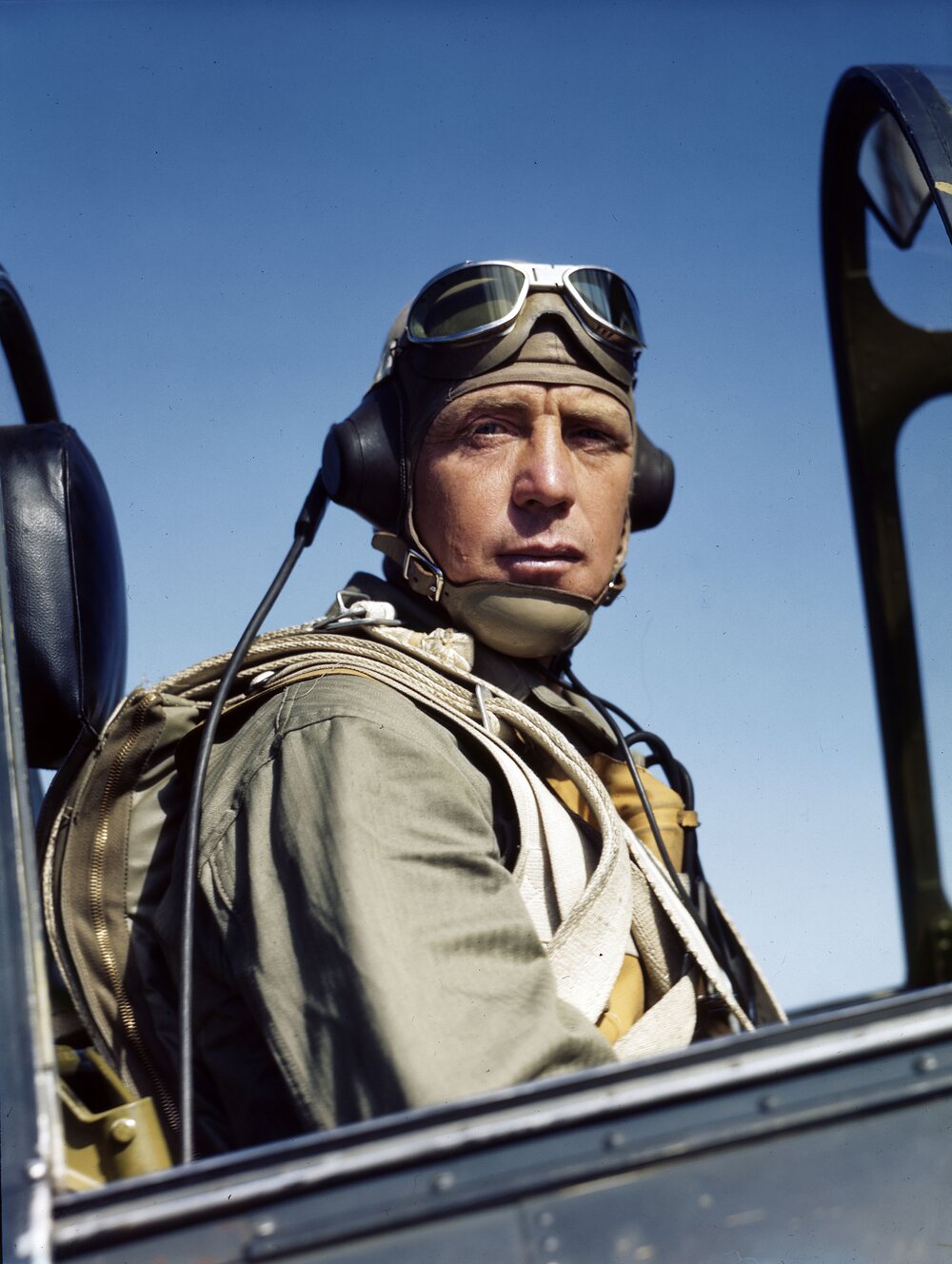
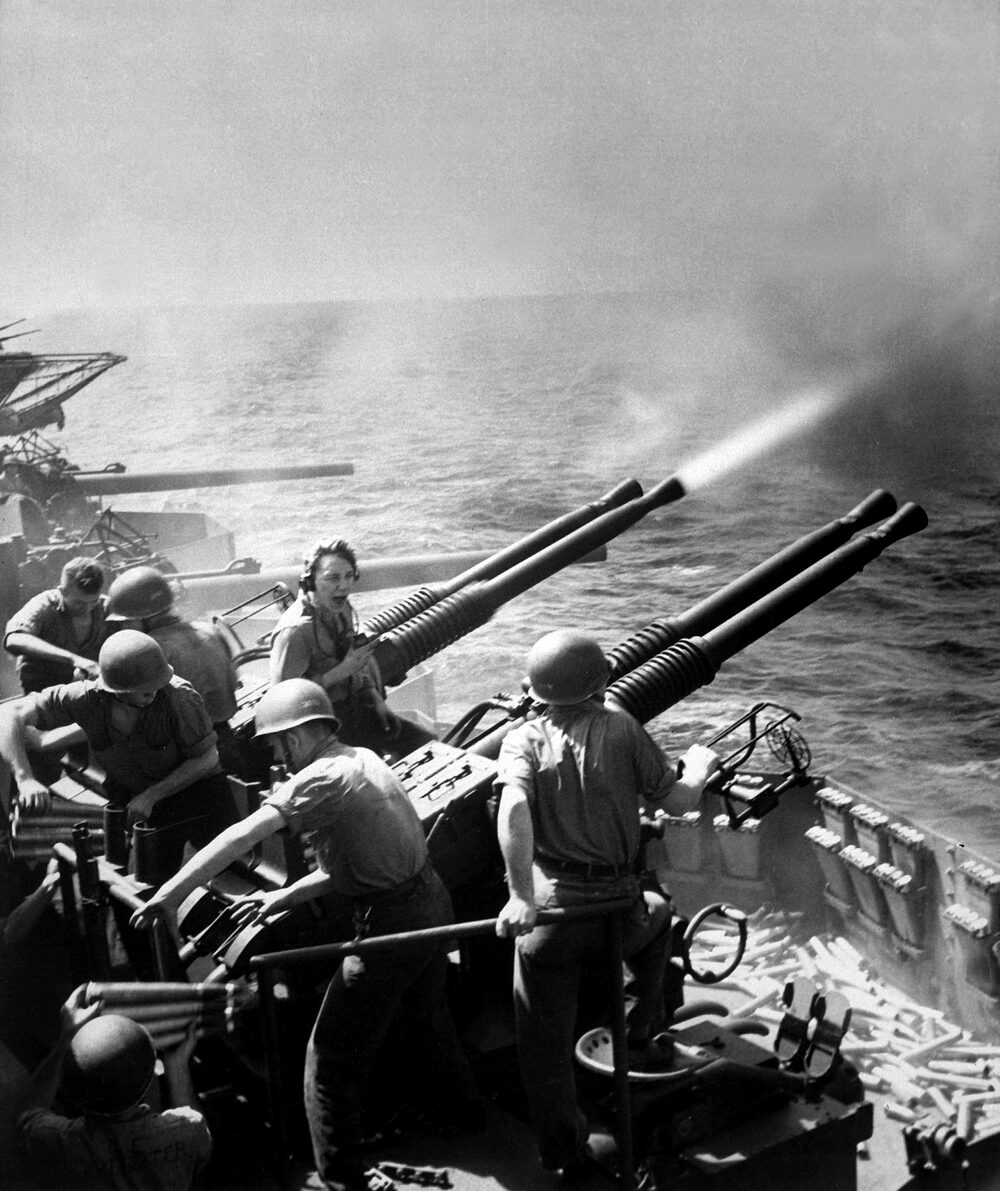
The same man is in all of it. The lighting diagrams are gone, but the question underneath them has not changed: what is this picture for, and does every part of it do that work.
And the island?
Here I am relying on the inn’s own telling, which is the fullest account anyone has written down. A man named Herman Arens built a fishing retreat on Elbow Cay some time in the 1950s and called it the White Sound Club — a generator, a shed, a crown grant, on an island with barely any houses on it. It passed to card-playing friends of his who saw no reason to improve it and went on playing poker there.
In 1964 Kerlee bought it. He put in a swimming pool and began refitting the fishing shack to take guests: a proper fireplace, teak floors, furniture you could sit in. He renamed it the Fin and Tonic, which tells you something about him. Burl Ives turned up now and then. It ran about thirteen years before he sold it, and the couple who bought it renamed it the Abaco Inn, which is what it is still called and where it still is.
He died in January 1981.
So — the name
A man who made his living deciding what a picture was for, and then made sure every part of it did that job. It is not a bad description of drafting an agreement, which is also an object built to a purpose and judged, years later, on whether it held.
And it is a good island.
— Charles Knight
The photographs are works of the United States Government, in the public domain, held by the National Archives; the picture of Kerlee himself is NARA 520610. The book pages are the Library of Congress copy of Pictures with a Purpose: How They Are Made (1939), scanned by the Internet Archive. The history of the inn is the inn’s own.